

What Is Careprost (Bimatoprost 0.03%)?
Quick Facts: Careprost contains bimatoprost 0.03% as its active ingredient. It is an ophthalmic (eye) solution with two distinct uses — one medical, one cosmetic.
Dual Uses: Glaucoma and Eyelash Growth
Bimatoprost serves two separate FDA-approved purposes in the United States, though under distinct brand names and concentrations:
- Lowering eye pressure: It treats open-angle glaucoma and ocular hypertension (high pressure inside the eye). Uncontrolled eye pressure can damage the optic nerve and lead to vision loss.
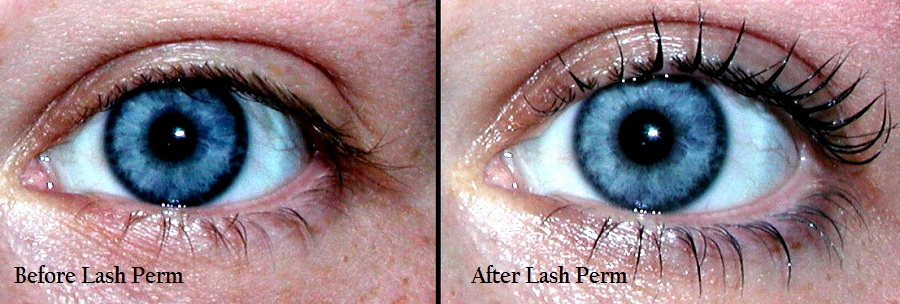
- Eyelash growth: It is indicated for hypotrichosis of the eyelashes — a condition where eyelashes are sparse, short, or thin. Bimatoprost increases eyelash length, thickness, and darkness.
Active Ingredient and Manufacturer
- Active ingredient: Bimatoprost 0.03% ophthalmic solution
- U.S. branded equivalents: Lumigan (0.01% and 0.03%) is an FDA-approved branded version of bimatoprost indicated for the reduction of elevated intraocular pressure in open-angle glaucoma or ocular hypertension; Latisse (bimatoprost 0.03%) is the FDA-approved branded version specifically indicated for hypotrichosis of the eyelashes
- Careprost contains the same active ingredient at the same concentration but is manufactured by Sun Pharmaceutical Industries Ltd. (India) and is not an FDA-approved brand or generic in the U.S. market
Note: Careprost and Lumigan both contain bimatoprost 0.03%, but they are distinct products. Always confirm with a licensed healthcare provider which product is appropriate for your specific condition.
How Does Careprost Work?
Lowering Eye Pressure (Glaucoma Mechanism)
Bimatoprost is a prostaglandin analog — a man-made compound that mimics natural substances in the body called prostaglandins.
- Bimatoprost lowers intraocular pressure (IOP), the fluid pressure inside the eye
- It does this by increasing the outflow (drainage) of aqueous humor — the fluid that fills the front of the eye
- Drainage is increased through 2 pathways: the trabecular meshwork and the uveoscleral route
- Reducing this pressure helps protect the optic nerve from damage
Stimulating Eyelash Growth (Cosmetic Mechanism)
How it grows lashes:
Bimatoprost 0.03% ophthalmic solution is the active ingredient in Latisse, the FDA-approved treatment for hypotrichosis of the eyelashes. Its mechanism of action involves increasing the percentage of hairs in the anagen (growth) phase while also prolonging the duration of that phase, resulting in longer, fuller lashes over time. The recommended dosage is one drop applied once nightly to the skin of the upper eyelid margin at the base of the eyelashes, using the accompanying sterile applicators. Patients should be aware of important safety considerations: common side effects include eye pruritus, conjunctival hyperemia, and skin hyperpigmentation. Of particular concern, Bimatoprost may cause increased brown iris pigmentation, which is likely to be permanent, as well as periorbital fat atrophy. Patients should be counseled on these risks prior to initiating therapy.
- Bimatoprost is believed to interact with prostanoid receptors in the hair follicle
- It shifts resting follicles (telogen phase) into the active growth phase (anagen phase)
- It also increases the percentage of follicles in the anagen phase at any one time
- The result: longer, fuller lashes over time
Note: The exact mechanism behind eyelash growth is not fully understood. According to the FDA label, the growth effect is believed — but not confirmed — to result from changes in the hair growth cycle.
How to Use Careprost: Step-by-Step Instructions
For Eyelash Growth (Hypotrichosis)
Important: Do not apply more than once nightly. Additional applications will not increase eyelash growth.
- Wash your hands thoroughly.
- Remove all makeup and take out contact lenses before applying.
- Place 1 drop of bimatoprost ophthalmic solution 0.03% onto the sterile disposable applicator included in the package.
- Draw the applicator evenly along the skin of the upper eyelid margin, at the base of the upper lashes. The area should feel lightly moist — no runoff.
- Blot any excess solution outside the upper eyelid margin with a tissue.
- Discard the applicator. Use a fresh sterile applicator for the other eye.
Warning: Do NOT apply to the lower eyelash line. Do NOT reuse applicators or substitute another brush.
For Glaucoma or Ocular Hypertension (High Eye Pressure)
- Instill 1 drop into the affected eye(s) once daily in the evening.
- Remove contact lenses before instilling the drop.
- Do not use more than once daily. More frequent use may reduce the pressure-lowering effect.
How Long Until You See Results?
| Use | Timeline |
|---|---|
| Eyelash growth | Gradual; most patients see meaningful change around 2 months |
| Significant improvement | Observed at weeks 8, 12, and 16 in clinical studies |
| Full results | At 16 weeks, 78% of treated patients showed at least a 1-grade improvement in overall lash prominence |
Note: Glaucoma treatment requires ongoing daily use. Bimatoprost lowers eye pressure but does not cure the condition.
Side Effects of Careprost You Should Know
Common Side Effects
Careprost (bimatoprost) is generally well tolerated, but side effects do occur. The most frequently reported effects in clinical trials include:
- Eye redness (conjunctival hyperemia) — the most common effect, reported in 25%–45% of patients in glaucoma studies
- Eye itching (ocular pruritus) — reported in more than 10% of patients
- Eyelash growth — increased length, thickness, or number of lashes, reported in more than 10% of patients
- Dry eye symptoms
- Eye irritation
- Skin darkening around the eye (periorbital skin hyperpigmentation)
- Eyelid redness (eyelid erythema)
Serious or Rare Side Effects
Important Safety Warning: Careprost can permanently change the color of your iris (the colored part of your eye). This change is irreversible — it does not go away after stopping the medication. The long-term effects of this pigmentation change are not fully known.
- Brown pigment spreads from around the pupil outward, making the iris look more brownish
- The change may not be noticeable for several months to years
- Pigmentation continues to increase as long as you use the medication
- The frequency of iris color change was 0.9% in glaucoma studies
- The change is caused by increased melanin (pigment) in existing eye cells — not new cells forming
Talk to your doctor right away if you notice any change in your eye color.
Precautions, Contraindications, and Drug Interactions
Important Safety Warning: Do not use Careprost (bimatoprost) if you have a known allergy (hypersensitivity) to bimatoprost or to any ingredient in the formula. Talk to your doctor before use if you have any concerns about your current medications or eye conditions.
Who Should Not Use Careprost
- Allergy to bimatoprost: Do not use if you are allergic to bimatoprost or any component of the solution.
Before You Use Careprost
Note: Careprost (bimatoprost ophthalmic solution 0.03%) is contraindicated in patients with a known hypersensitivity to bimatoprost or any of the ingredients in the product, including excipients such as benzalkonium chloride. Additionally, FDA labeling includes important warnings regarding the risk of permanent iris hyperpigmentation, eyelid skin darkening (which may be reversible), and intraocular inflammation (uveitis). Caution is also advised in patients with active intraocular inflammation or aphakic/pseudophakic patients with a torn posterior lens capsule, due to the risk of macular edema. Always consult a licensed healthcare provider for a full review of your personal health history, current medications, and eye conditions before starting bimatoprost.
Storage, Missed Doses, and Practical Tips
How to Store Careprost Correctly
- Store bimatoprost eye drops at 2° to 25°C (36° to 77°F) — a cool, dry place away from direct light. Keep the bottle tightly closed when not in use to maintain sterility. Note that both the 0.01% and 0.03% concentrations share this storage temperature range, though always confirm the specific requirements on your product's label.
- Unless otherwise directed by your healthcare provider or the manufacturer, the solution may generally be used until the expiration date printed on the bottle, provided the tip remains uncontaminated — FDA labeling for bimatoprost (Lumigan/Latisse) does not mandate discarding the bottle 28–30 days after opening. Avoid touching the dispenser tip to any surface, including the eye or eyelashes, to keep the solution free from contamination and reduce the risk of microbial contamination and bacterial keratitis.
What to Do If You Miss a Dose
For glaucoma or high eye pressure (ocular hypertension) drops:
- Apply the missed dose as soon as you remember.
- If it is almost time for your next dose, skip the missed dose entirely.
- Never use extra drops to make up for a missed one.
- Do not try to catch up on a missed application. Simply apply the solution the next evening as usual.
Note: Missing an occasional dose is less harmful than doubling up. Stick to your regular schedule whenever possible.
Careprost vs. Latisse and Other Eyelash Serums
Bimatoprost 0.03%: FDA-Approved vs. Unapproved Alternatives
Important Safety Note: Latisse (bimatoprost ophthalmic solution 0.03%) is the only FDA-approved treatment for eyelash hypotrichosis in the United States. Its active ingredient, bimatoprost 0.03%, was originally approved under the brand name Lumigan for the treatment of open-angle glaucoma or ocular hypertension. Careprost is a generic formulation of bimatoprost 0.03% manufactured by Sun Pharmaceutical Industries Ltd. in India; it is not FDA-approved for sale or use in the United States and may carry risks associated with unregulated or counterfeit manufacturing. Regardless of formulation, bimatoprost 0.03% carries known side effects including eye pruritus, conjunctival hyperemia, and skin hyperpigmentation. Consumers should consult a licensed healthcare provider before using any bimatoprost-containing product.
Both Latisse and bimatoprost-based products like Careprost contain bimatoprost 0.03% as the active ingredient. Latisse is FDA-approved to treat hypotrichosis (inadequate eyelash growth) by increasing eyelash length, thickness, and darkness.
How Careprost Compares to Cosmetic Serums
| Feature | Bimatoprost (e.g., Latisse) | OTC Cosmetic Lash Serums |
|---|---|---|
| Active ingredient | Bimatoprost 0.03% (prostaglandin analog) | Peptides, vitamins, prostaglandin analogs (e.g., isopropyl cloprostenate), or other non-FDA-approved ingredients |
| Clinical evidence | Strong — multiple controlled studies | Limited — more research needed |
| FDA-approved for lash growth | Yes — the only FDA-approved active ingredient for eyelash hypotrichosis | No |
| Proven lash length increase | +25% (approx. 1.4 mm from a 5.6 mm baseline) at 16 weeks | Not established |
| Proven fullness/thickness increase | +106% in overall prominence (composite of length, thickness, and darkness) based on the Global Eyelash Assessment (GEA) scale at 16 weeks | Not established |
Note: In a controlled clinical study of 278 adults, 78% of bimatoprost-treated patients showed measurable lash improvement at 16 weeks, compared to 18% with a non-active vehicle. Non-prostaglandin serums show some promising early data, but formal clinical evidence remains lacking.
Frequently Asked Questions
How long does it take to see results from Careprost for eyelash growth?
Most patients begin to notice gradual improvement around 2 months, with increased lash length typically becoming apparent at 8 weeks. In clinical studies, 78% of patients saw significant lash growth by 16 weeks, with the primary efficacy endpoint — defined as at least a 1-grade increase on the Global Lash Assessment scale — measured at the 16-week mark, representing full results and maximum effect.
What happens to my eyelashes if I stop using Careprost?
When you stop using Careprost (bimatoprost), your eyelashes will gradually return to their original length and thickness. This process is reversible. Lash changes typically begin to diminish around 2 months after stopping treatment.
Important Safety Note: Eyelid skin darkening caused by bimatoprost may also reverse after stopping. However, darkening of the iris (the colored part of your eye) may not fully reverse after discontinuation.
Is Careprost safe to use with contact lenses?
Remove contact lenses before applying Careprost. Wait 15 minutes after applying the drops before putting lenses back in.
Careprost contains benzalkonium chloride, a preservative that soft contact lenses can absorb. This absorption may cause lens discoloration.
Can Careprost permanently change my eye color?
Yes. Bimatoprost (the active ingredient in Careprost) can permanently darken the iris (the colored part of your eye). Brown pigment spreads from around the pupil outward. The change may take months or years to become visible and is likely permanent even after stopping use.
Do I need a prescription to buy Careprost?
Yes. In the USA, bimatoprost requires a valid doctor's prescription. Many websites sell it without one, but doing so violates state and federal law. Always obtain it through a licensed provider.
Can I use Careprost on my eyebrows as well as my lashes?
Applying bimatoprost to eyebrows is an off-label use — meaning it is not FDA-approved for that purpose. Small clinical studies show it may promote eyebrow growth, but talk to your doctor before trying it there.